
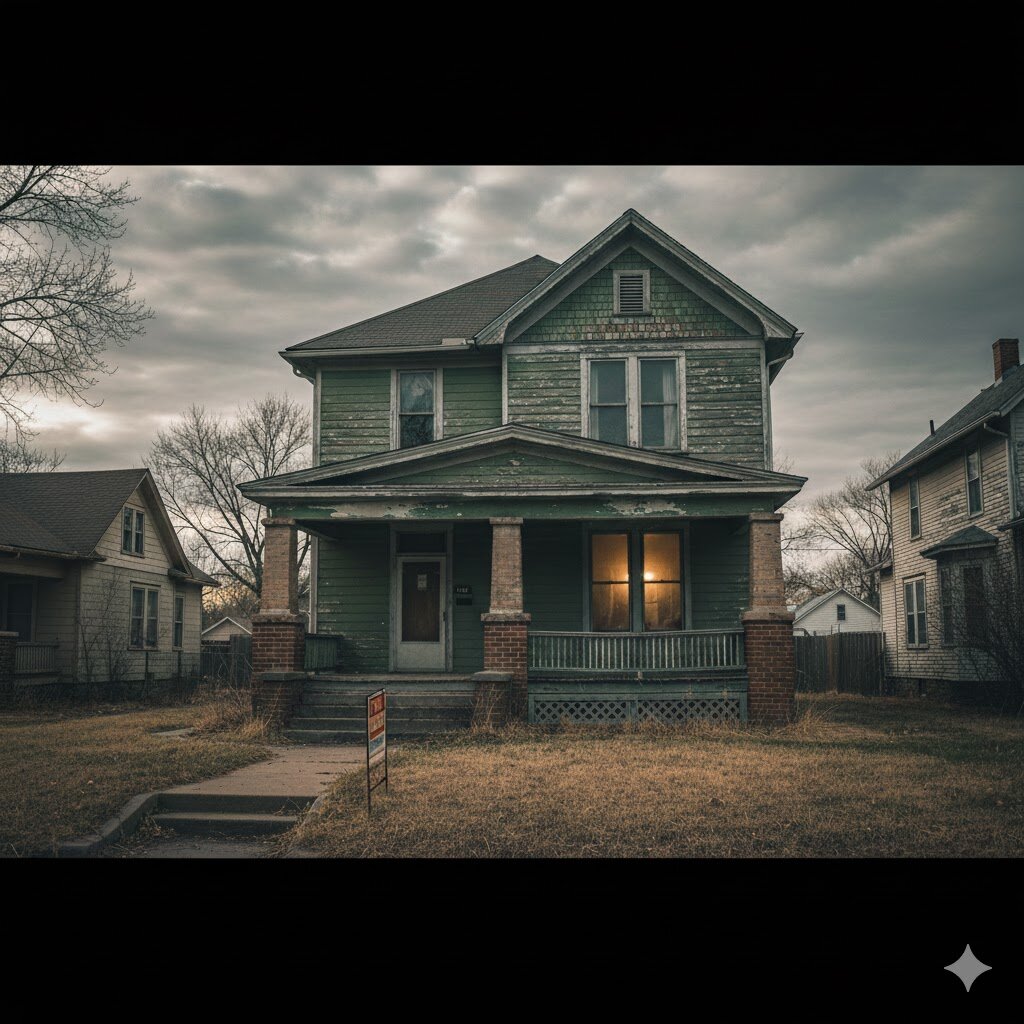

Bessemer, Colorado 81004. The name itself evokes images of strength, resilience, and a proud history forged in steel. For many, owning a home here isn’t just about property; it’s about holding a piece of Pueblo’s industrial soul, a tangible link to generations past. Walk down streets like Abriendo Avenue, Evans Avenue, or Orman Avenue, and you’ll see them: the charming, stoic bungalows and two-story homes, many dating back to the 1920s and 30s.
These aren’t just houses; they’re chronicles in brick and wood, each a silent witness to Bessemer’s boom, its challenges, and its enduring spirit. They boast character you simply won’t find in newer builds: sturdy craftsmanship, unique architectural details, and a sense of rootedness that is increasingly rare.
And yet, for all their undeniable charm and historical significance, these beautiful older homes often come with a hidden ledger—a growing tally of expenses, maintenance headaches, and unexpected repairs that can quietly drain your savings, your time, and even your peace of mind.
If you own one of Bessemer’s treasured historic bungalows, you know the feeling. That pang of pride mixed with a sigh of resignation as another “quirk” of an old house rears its head. This post isn’t about diminishing the value of these homes; it’s about acknowledging the very real, often overlooked financial and emotional toll they can take, and exploring why, for some owners, the scales eventually tip.
The Allure and The Reality: Why We Love (And Sometimes Resent) Old Homes
There’s a romance to owning a home with a story. Imagine the families who gathered in your living room, the smells of meals cooked in your kitchen over a century, the children who ran through your halls. This deep connection is often why owners in Bessemer (81004) hold onto these properties for decades, sometimes even passing them down through generations.
But beneath the surface of quaint porches and original hardwood floors lies a complex ecosystem of aging systems, outdated materials, and the inevitable wear and tear of time. While a newer home might come with a list of predictable expenses, a historic bungalow often brings surprises—the kind that arrive with a hefty price tag and a demand for immediate attention.
Unpacking the “Hidden” Costs: What Bessemer Homeowners Often Face
Let’s get specific. What exactly are these hidden costs that make maintaining a historic Bessemer bungalow a uniquely challenging endeavor?
1. The Electrical Nightmare: Knob-and-Tube and Beyond
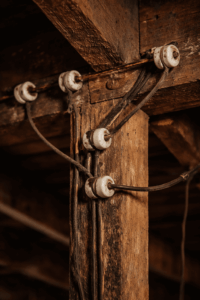
Many homes in the 81004 zip code, especially those built before 1940, were wired with knob-and-tube electrical systems. While functional in their time, these systems are now considered obsolete, a fire hazard, and incapable of handling the electrical demands of modern appliances and technology.
- The Problem: Overloaded circuits, frayed insulation, lack of grounding, and increased fire risk. Many insurance companies refuse to cover homes with un-upgraded knob-and-tube, or they charge exorbitant premiums.
- The Cost: Rewiring an entire historic home can be a massive undertaking. We’re talking about tearing into walls, ceilings, and floors. Depending on the size of your Bessemer bungalow, you could easily be looking at $10,000 to $30,000+ for a complete, up-to-code electrical overhaul. It’s not a “nice-to-have”; it’s a safety imperative.
2. Plumbing Predicaments: From Lead to Leaks
Before the mid-20th century, lead pipes were common for water service lines, and galvanized steel pipes were used for indoor plumbing. Both present significant problems today.
- The Problem: Lead pipes pose serious health risks. Galvanized pipes corrode from the inside out, leading to reduced water pressure, rust-colored water, and eventually, leaks and bursts. Drain lines can also be original cast iron, which rusts and clogs over time.
- The Cost: Replacing an entire plumbing system is invasive and expensive, often requiring opening up walls and floors. For a typical Bessemer bungalow, expect costs ranging from $5,000 to $15,000+ for new supply lines, and potentially more if drain lines or the main sewer line (which might be clay and susceptible to tree roots) also need replacement.
3. Foundation Fears: When the Ground Moves
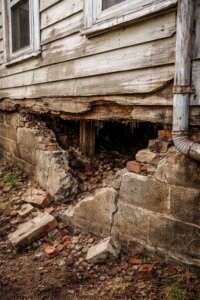
Pueblo’s soil can be tricky, and even the most well-built historic homes can experience foundation issues over time due to shifting soils, poor drainage, or age-related settling.
- The Problem: Cracks in walls or ceilings, uneven floors, doors and windows that stick, and bowing basement walls. These are not merely cosmetic; they can compromise the structural integrity of your home.
- The Cost: Foundation repair is rarely cheap. Depending on the severity, solutions can range from simple crack injections to helical piers or extensive underpinning, costing anywhere from $5,000 to $50,000+. It’s a specialized job that requires expert assessment.
4. The Roof Over Your Head: An Aging Guardian
A roof has a finite lifespan. For historic homes, original roofs may have been replaced multiple times, but the underlying structure could still be original. Even relatively newer roofs on older homes can experience issues if the decking or ventilation is inadequate.
- The Problem: Leaks, missing shingles, dry rot in the decking, or an outdated roof structure that isn’t up to modern code.
- The Cost: A full roof replacement can run $8,000 to $20,000+, depending on the size and pitch of the roof and the materials chosen. Ignoring it leads to far more expensive interior damage.
5. Energy Inefficiency: Heating and Cooling a Sieve
While charming, the original single-pane windows, lack of wall insulation, and leaky doors of historic Bessemer homes are not designed for energy efficiency.
- The Problem: Sky-high utility bills, drafty rooms, and an inability to maintain comfortable indoor temperatures during Pueblo’s hot summers and cold winters.
- The Cost: Upgrading to energy-efficient windows can cost $500-$1,000+ per window. Adding insulation to walls (if possible without major demolition) or upgrading HVAC systems can add thousands more. These are long-term investments that still take years to recoup.
6. Asbestos and Lead Paint: Invisible Threats
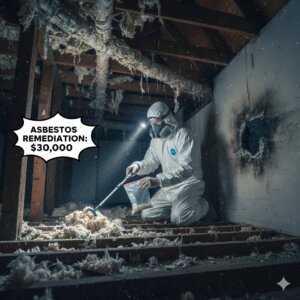
Many pre-1978 homes in Bessemer contain lead-based paint. Asbestos was also commonly used in insulation, flooring, and siding materials until the late 20th century.
- The Problem: Lead paint chips or dust can be toxic, especially to children. Asbestos fibers, when disturbed, can cause serious respiratory diseases.
- The Cost: Professional remediation for lead paint or asbestos can be extremely expensive, often costing thousands to tens of thousands of dollars, depending on the scope. This is a crucial safety consideration that often comes up during inspections.
The Emotional and Time Investment: More Than Just Money
Beyond the financial drain, maintaining a historic Bessemer bungalow requires a significant investment of time, energy, and emotional bandwidth.
- Constant Vigilance: Old homes demand ongoing attention. Small issues can quickly become big, expensive problems if not addressed promptly.
- Specialized Care: Finding contractors experienced with historic homes can be challenging, and their services often come at a premium.
- Decision Fatigue: Every repair, every upgrade, often involves wrestling with questions of historical accuracy versus modern convenience and budget constraints.
- The “One Thing After Another” Cycle: Just when you fix one major issue, another inevitably pops up, creating a feeling of being constantly “behind” on home maintenance.
When the Charm Fades: Recognizing It’s Time for a Change
For many, the love affair with their historic Bessemer bungalow eventually reaches a turning point. Perhaps you inherited the home and don’t have the time or resources for extensive renovations. Maybe you’re a long-time resident, like many around St Mary Corwin Hospital or the Steelworks Center of the West, who simply wants to downsize and enjoy retirement without the burden of constant repairs. Or perhaps the accumulated costs have become overwhelming, impacting your financial stability and future plans.
You might be asking yourself: Is it worth pouring tens of thousands more into a house that will always need something? Am I ready to take on another massive project?
The truth is, not everyone is equipped, financially or emotionally, to be a full-time steward of an aging historic property. And that’s perfectly okay. Sometimes, the most responsible decision for your own well-being and financial future is to acknowledge when the burden outweighs the benefits.
Your Bessemer Home’s Next Chapter, Simplified.
If the thought of another major repair bill sends a shiver down your spine, or if you’re simply tired of the endless maintenance cycle, there’s another path. You don’t have to spend another dime on repairs, endure months of renovations, or stress over the unpredictable nature of an older home.
We understand the unique challenges of owning a historic property in Bessemer, especially in the 81004 zip code. We appreciate the history, but we also recognize the very real burdens that come with it.
That’s why we offer a straightforward, stress-free solution. We buy houses in Bessemer (81004) quickly, for cash, and in their as-is condition. That means:
- No Repairs Needed: Don’t worry about the knob-and-tube, the leaky pipes, the cracked foundation, or the outdated kitchen. We buy it all.
- No Realtor Commissions or Fees: Keep more of your money.
- Fast Closing: We can close on your timeline, often in as little as 7 days, freeing you from the burdens of your home on your schedule.
- No Showings or Open Houses: Maintain your privacy and avoid the hassle.
You’ve cherished your historic Bessemer bungalow, and it has served its purpose. Now, let us help you turn its equity into your next freedom. If the hidden costs of maintaining a historic Bessemer bungalow are becoming too much to bear, and you’re ready for a simple, fast, and fair solution, learn how easy it is to sell your house fast in Bessemer 81004 today. Let us take on the challenges, so you can move on to your next adventure, unburdened.